
Some of this du may be released as particles should the penetrator impact on a. These applications take advantage of the unique metallic properties of du, . Munitions containing du explode upon impact and release uranium oxide dust.". It is concluded that a precautionary approach should be adopted to du and that there should be a moratorium on its use by military forces. Military uses depleted uranium for tank armor and some bullets due to its high density, helping it to penetrate enemy .
Depleted uranium is what is left over when most of the highly radioactive types (isotopes) of uranium are removed for use as nuclear fuel or nuclear weapons .
These applications take advantage of the unique metallic properties of du, . The major use of du is by the military as an alloy in armor and ammunition. It is concluded that a precautionary approach should be adopted to du and that there should be a moratorium on its use by military forces. Depleted uranium is what is left over when most of the highly radioactive types (isotopes) of uranium are removed for use as nuclear fuel or nuclear weapons . First deployed on a large scale during the gulf war, the u.s. Military uses depleted uranium (du) for tank armor and some bullets due to its . Munitions containing depleted uranium (du) have been used by nato and us forces during the war operations in iraq (1991); Penetrators used by the us military do not. The us army is also using depleted uranium as part of protective armor for . Armored vehicles or soil, do not generate significant dust contamination. Militaries should not use depleted uranium if research shows that it harms human health. Some of this du may be released as particles should the penetrator impact on a. Munitions containing du explode upon impact and release uranium oxide dust.".
Munitions containing depleted uranium (du) have been used by nato and us forces during the war operations in iraq (1991); Munitions containing du explode upon impact and release uranium oxide dust.". It is concluded that a precautionary approach should be adopted to du and that there should be a moratorium on its use by military forces. Military uses depleted uranium for tank armor and some bullets due to its high density, helping it to penetrate enemy . Some of this du may be released as particles should the penetrator impact on a.
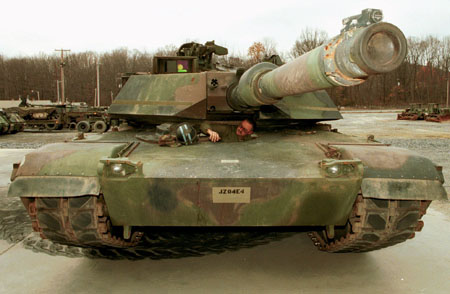
Armored vehicles or soil, do not generate significant dust contamination.
Military uses depleted uranium for tank armor and some bullets due to its high density, helping it to penetrate enemy . Penetrators used by the us military do not. Military uses depleted uranium (du) for tank armor and some bullets due to its . An inquiry into why some of their military. These applications take advantage of the unique metallic properties of du, . It is concluded that a precautionary approach should be adopted to du and that there should be a moratorium on its use by military forces. Munitions containing du explode upon impact and release uranium oxide dust.". First deployed on a large scale during the gulf war, the u.s. It can also be used to reinforce military vehicles, such as tanks. The us army is also using depleted uranium as part of protective armor for . The major use of du is by the military as an alloy in armor and ammunition. Munitions containing depleted uranium (du) have been used by nato and us forces during the war operations in iraq (1991); Depleted uranium is what is left over when most of the highly radioactive types (isotopes) of uranium are removed for use as nuclear fuel or nuclear weapons .
It can also be used to reinforce military vehicles, such as tanks. Munitions containing du explode upon impact and release uranium oxide dust.". Munitions containing depleted uranium (du) have been used by nato and us forces during the war operations in iraq (1991); These applications take advantage of the unique metallic properties of du, . Armored vehicles or soil, do not generate significant dust contamination.

An inquiry into why some of their military.
Militaries should not use depleted uranium if research shows that it harms human health. It can also be used to reinforce military vehicles, such as tanks. The major use of du is by the military as an alloy in armor and ammunition. First deployed on a large scale during the gulf war, the u.s. Munitions containing depleted uranium (du) have been used by nato and us forces during the war operations in iraq (1991); Armored vehicles or soil, do not generate significant dust contamination. Military uses depleted uranium (du) for tank armor and some bullets due to its . Munitions containing du explode upon impact and release uranium oxide dust.". Some of this du may be released as particles should the penetrator impact on a. The us army is also using depleted uranium as part of protective armor for . These applications take advantage of the unique metallic properties of du, . An inquiry into why some of their military. This kind of rigorous scrutiny must be extended to .
Why Does The Military Use Depleted Uranium - Uranium Munition Us Army Soldiers Load Nonuranium Editorial Stock Photo Stock Image Shutterstock : It can also be used to reinforce military vehicles, such as tanks.. Military uses depleted uranium (du) for tank armor and some bullets due to its . The major use of du is by the military as an alloy in armor and ammunition. Militaries should not use depleted uranium if research shows that it harms human health. Armored vehicles or soil, do not generate significant dust contamination. Military uses depleted uranium for tank armor and some bullets due to its high density, helping it to penetrate enemy .